Wear and Tear vs. Tenant Damage: A Landlord's Guide to Deposit Deductions
Know the line. Win the disputes. Protect your income.
Every landlord has a deposit dispute story that didn't go their way. A stained carpet. A scuffed hallway. A kitchen wall covered in grease that somehow got classified as "fair wear and tear" by an adjudicator.
Most of these losses are avoidable. They happen because too many landlords don't know exactly where the line sits between wear and tear and chargeable damage.
What "fair wear and tear" means
Fair wear and tear is the gradual deterioration of a property through normal everyday use. A tenant cannot be charged for it — TDS, DPS, and MyDeposits all apply this rigorously.
What you can charge for is damage: deterioration caused by negligence, accident, misuse, or a breach of the tenancy agreement.
The lifespan benchmarks adjudicators use
These benchmarks are widely used across the industry and form the basis of most apportionment calculations.
| Decoration | |
| Hallways, stairs, kitchens, bathrooms | 2–3 years |
| Living rooms | ~4 years |
| Bedrooms | ~5 years |
| Dining rooms | ~6 years |
| Carpets | |
| Budget quality | 3–5 years |
| Medium quality | 5–10 years |
| Top quality | Up to 20 years |
| White Goods | |
| Washing machines | 3–5 years |
| Cookers/ovens | 4–6 years |
| Fridges | 5–8 years |
Wear and tear vs. chargeable damage
Not chargeable:
Small scuffs, marks around switches and handles, paint fading from sunlight, minor carpet flattening, tiny picture-hook holes, general dulling over time.
Chargeable:
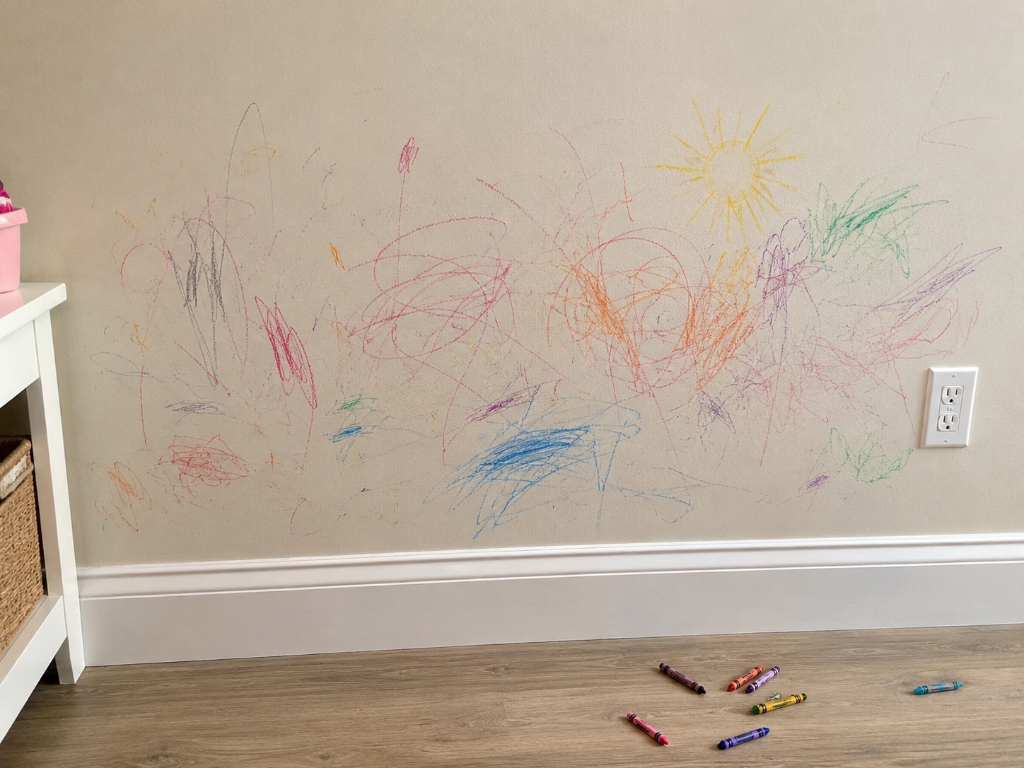
Large stains (wine, grease, blood), nicotine yellowing, pet urine, mould from poor ventilation, unauthorised paint colours, crayon or marker, holes from shelves or TV brackets, burns, deep scratches.
The pattern: if a careful tenant could reasonably have prevented it, it's damage. If it would have happened to any household, it's wear and tear.
The calculation that wins disputes
A landlord cannot end up better off than they started. If a tenant damages something part-way through its useful life, you can only claim the value lost — not a brand-new replacement.
Worked example.
You painted the living room four years ago. The expected lifespan is approximately four years. The tenant leaves a wine stain on the wall. Repainting costs £400.
You can claim almost nothing. The decoration had reached the end of its life. You were going to redecorate anyway.
Flip the scenario.
Same stain, but you painted six months ago. Three and a half years of useful life remaining out of four — roughly 87 percent. Your claim is 87 percent of £400, or about £348 — possibly reduced further if only one wall genuinely needed repainting.
Doing this calculation yourself, transparently, keeps your claim within what an adjudicator will accept and signals good faith to the tenant.
Protect yourself with the inventory
Poor check-in evidence is the single biggest reason landlords lose disputes. You need:
- Dated, high-resolution photos of every wall, corner, and surface
- A written description of each room's condition
- The date of last decoration recorded in writing
- The tenant's signature confirming agreement
Use an independent inventory clerk if you can. Repeat the same exercise at checkout — same rooms, same angles.
Writing a claim that succeeds
Vague claims get reduced. "Redecoration: £400" tells an adjudicator nothing. A successful claim looks like this:
Repainting of living room wall behind sofa due to red wine staining. Wall last decorated six months prior to checkout (decorator's invoice attached). Cost: £120 (quote attached). Apportioned for remaining lifespan: £105.
Specific damage. Linked evidence. Apportionment applied. Charged for the affected wall, not the whole room.
When to let it go
After a long tenancy, scuffed hallways and dulled paint are wear and tear. Trying to charge for redecoration of high-traffic areas after a multi-year tenancy almost always fails at adjudication.
Build redecoration of high-wear zones into your operating costs, not your deposit claims. The deposit is protection against damage, not a fund for routine maintenance.
The commercial case for fairness
A reasonable, evidenced deduction paid voluntarily beats an inflated claim reduced at adjudication — and leaves a tenant who won't warn others off your properties.
Get the inventory right. Know what you can charge for. Do the apportionment yourself. Write specific, evidenced claims. And when it's genuinely wear and tear, let it go.
That is how you protect your property, your income, and your reputation at the same time.
Protect your deposits with documented check-ins
Arivly's detailed property inventory service ensures every room is documented with photos and signatures — giving you the evidence you need to support deposit claims.